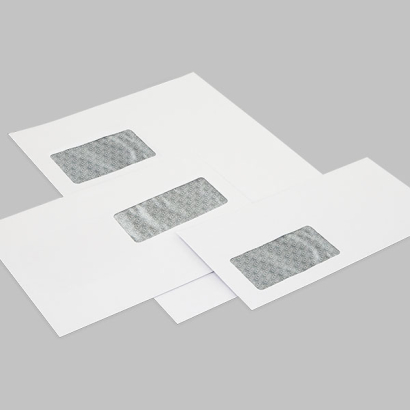
Printing on envelopes & mailing envelopes
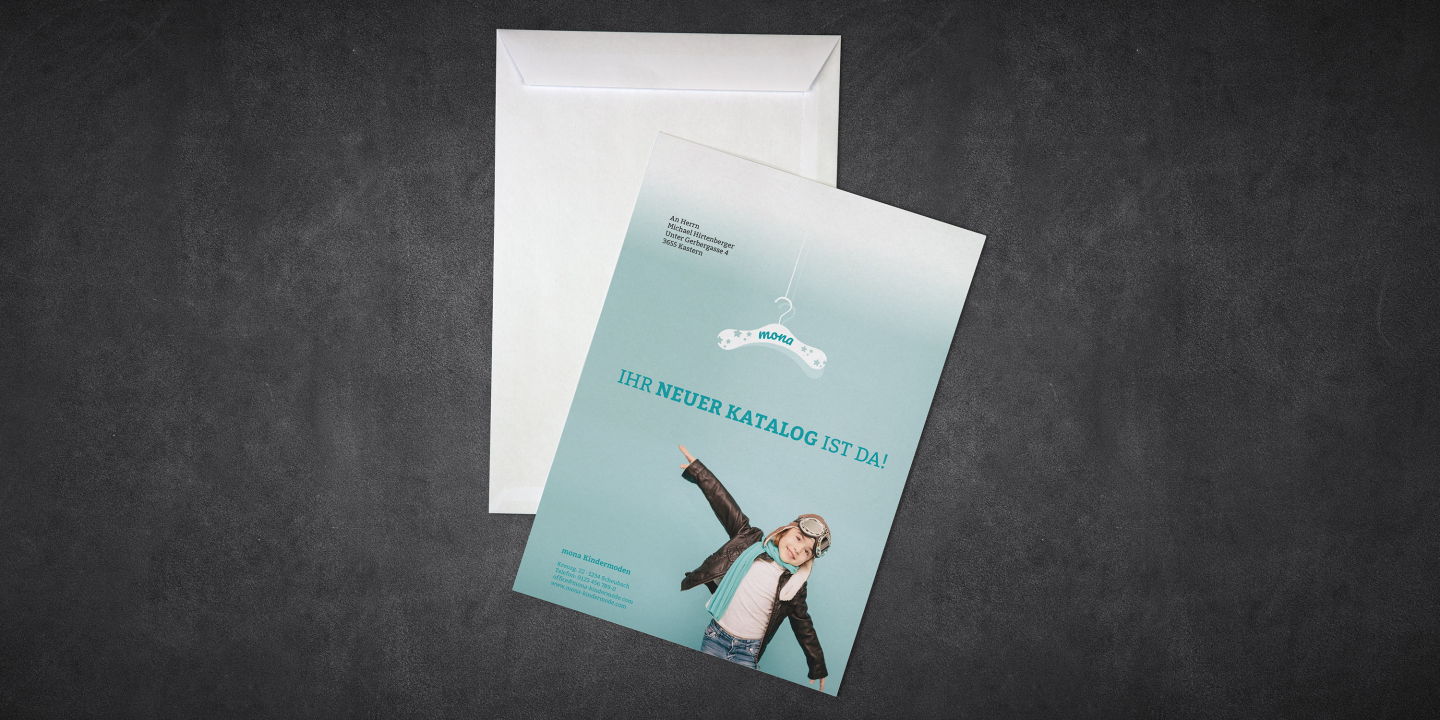
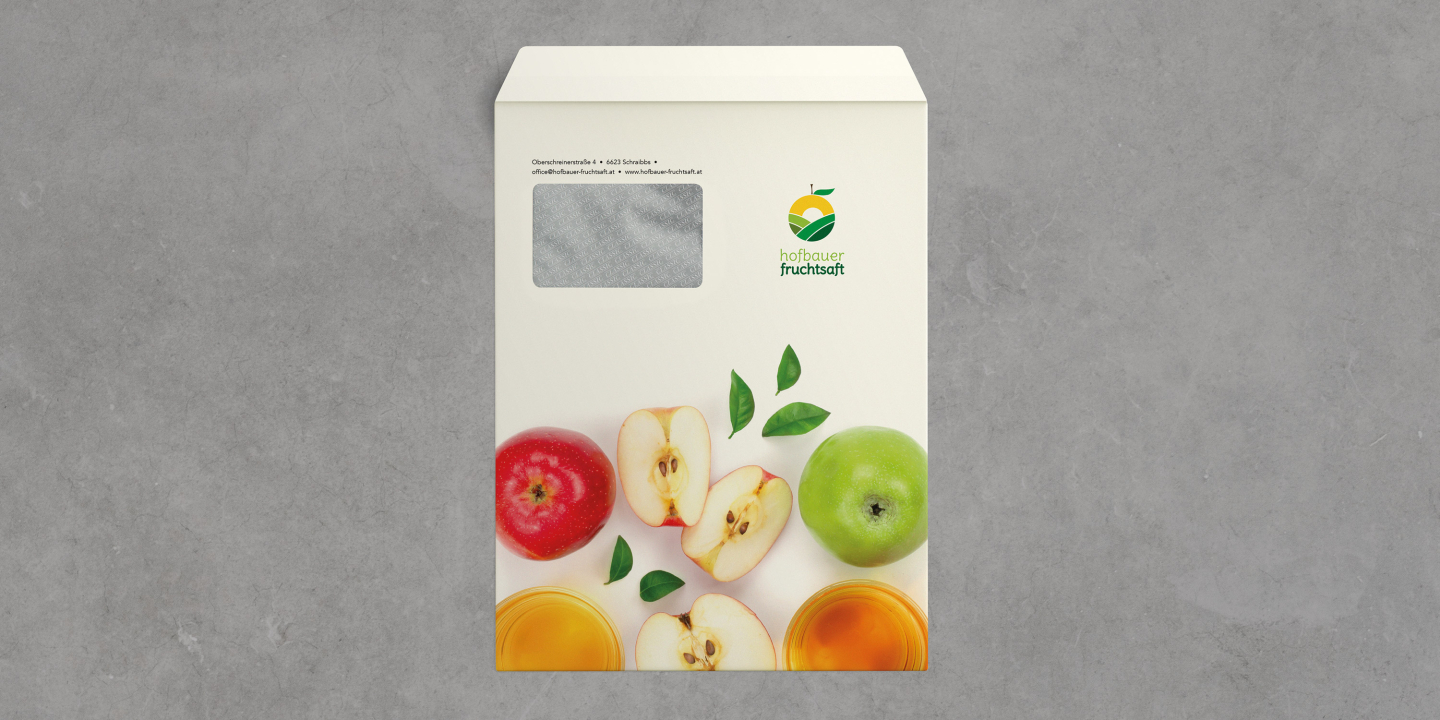
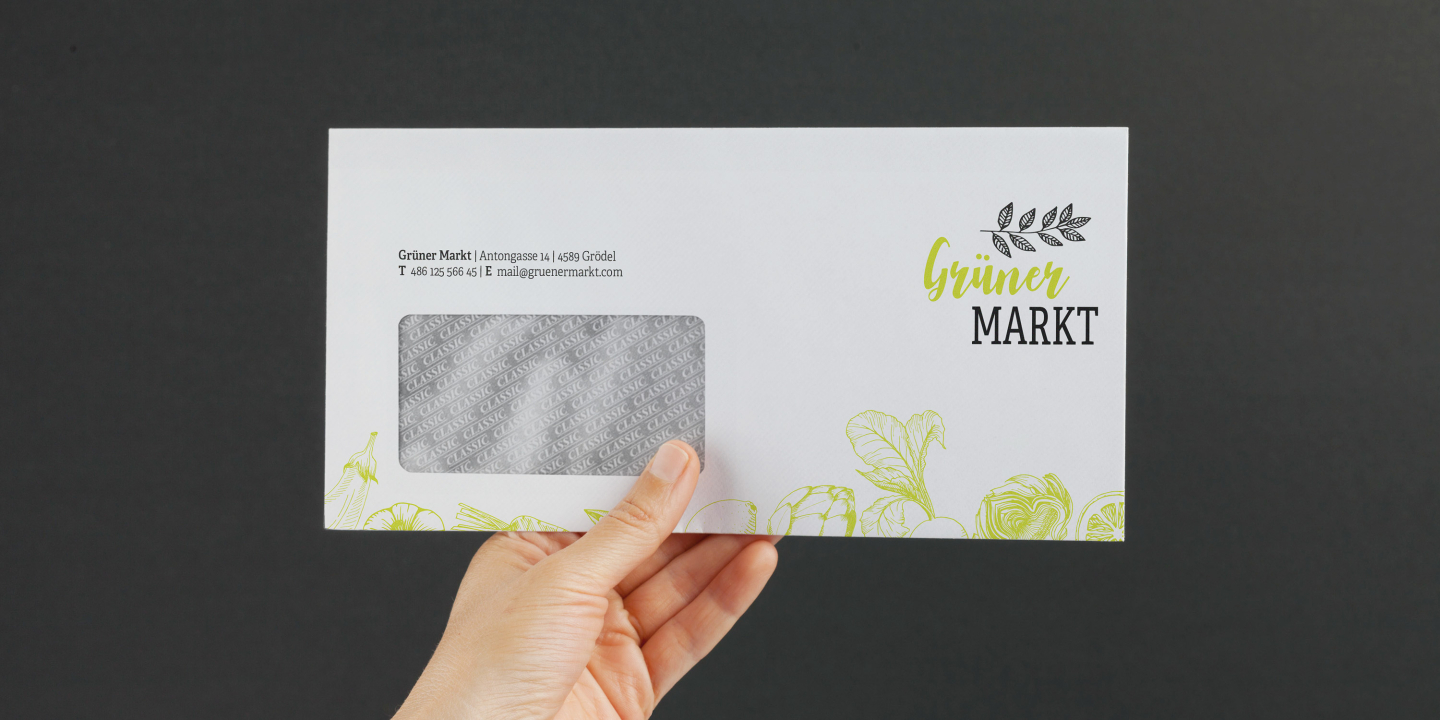
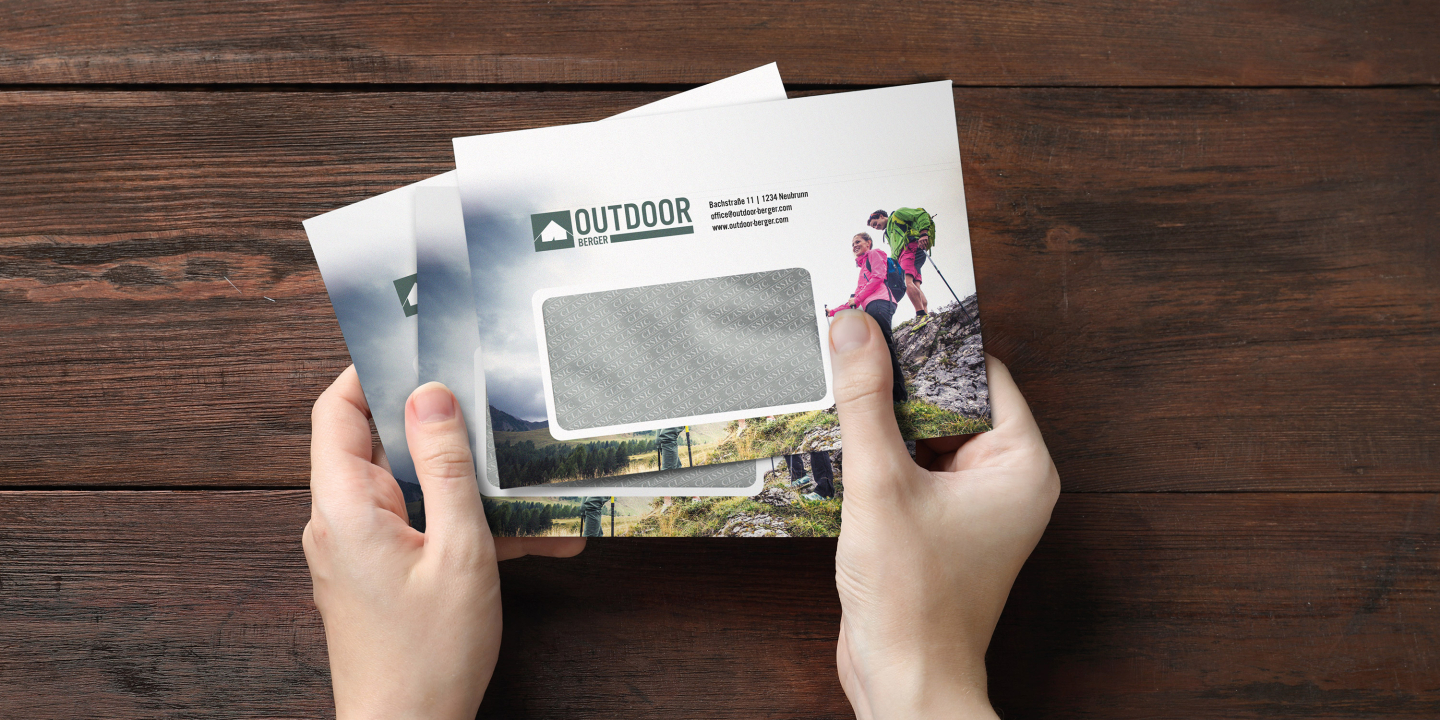
Whether a Invitation, a official letter or a successful Direct marketing campaign: Letters convey a sense of relevance and appear particularly high-quality. As such, they remain an important part of many businesses. However, it is not just the content, but also the Envelope or mailing envelope As this is itself part of corporate communications, many companies choose to have their envelopes custom-printed.
Which envelope size is suitable for which paper?
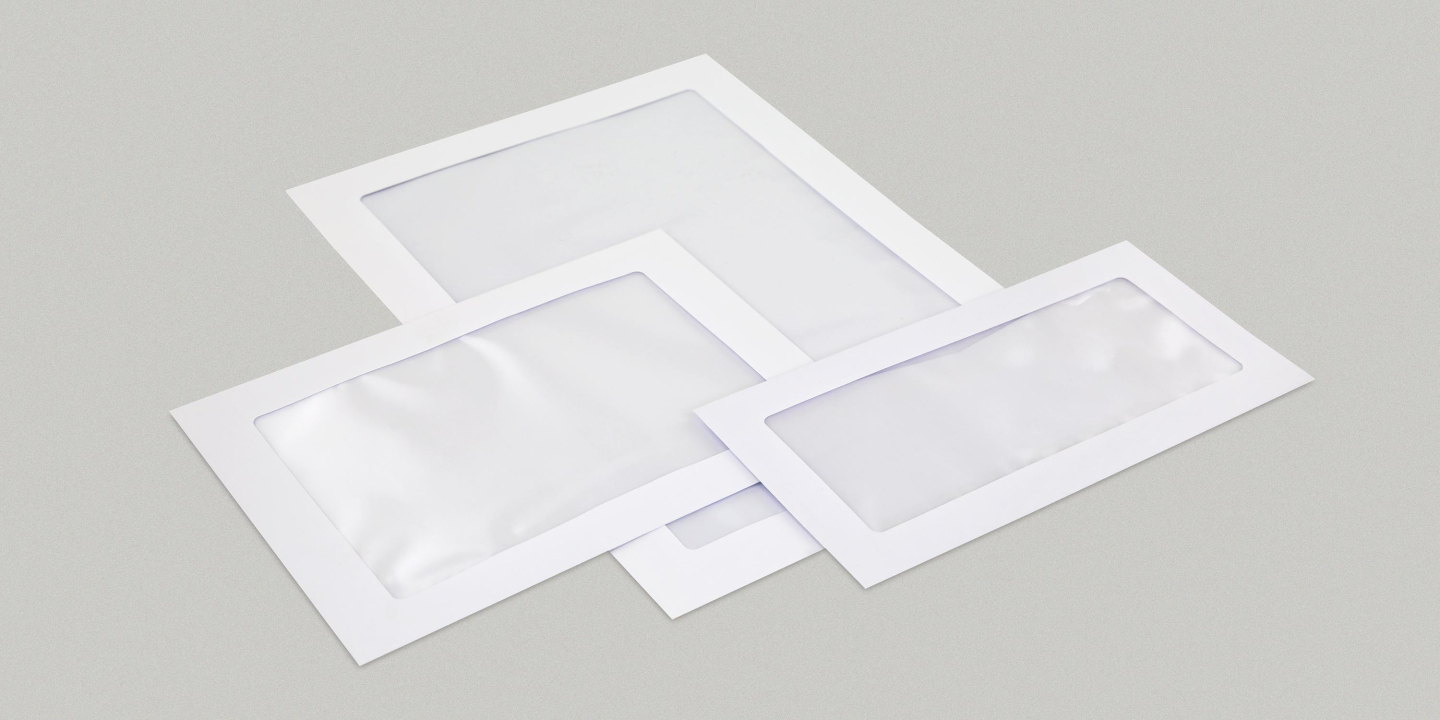
Just like paper sizes (DIN A4, A5, A6 …), envelopes are standardised. Most envelope sizes correspond to the C or B series (DIN C6, C5, B4 …). These are each slightly larger than the corresponding A-series size, to ensure that letters have sufficient space inside the envelopes. Depending on the DIN size of your letter, you should select the appropriate envelope:
Format (size in mm) suitable for
- DIN C5/6 (“DL format”)110 mm x 220 mm) for DIN A4, folded lengthways into thirds
- DIN C6/5 (114 mm x 229 mm) for DIN A4, folded lengthways into thirds
- DIN C6 (114 mm x 162 mm) for DIN A6; DIN A4 folded in half twice
- DIN C5 (162 mm x 229 mm) for DIN A5; A4 folded once
- DIN C4 (229 mm x 324 mm) for DIN A4
- DIN B4 (250 mm x 353 mm) for DIN C4; large quantities of DIN A4
Tip: Not all formats are suitable for the automated processing (folding and inserting). In most cases, the relevant machines are designed for DIN C6/5; in some cases, other formats are also possible.
Which paper should be chosen for envelopes?
In addition to the Standard-weight paper There are a few Further options for the material of your envelopes, such as environmentally friendly recycled paper and Premium papers with or without texture. Which material is right for you depends, in part, on your specific project: invitations or direct mail for premium products or services can benefit from high-quality paper, whilst an invoice serves its purpose even in simple packaging.
On the other hand, the Weight plays a decisive role: Paper with a higher grammage (weight per square metre) may, in some circumstances, result in higher postage costs, which can add up over time. For large quantities, the weight of a letter should ideally be calculated in advance to avoid unexpected costs.
Envelope vs. mailing envelope: what’s the difference?
The main difference between an envelope and a (postal) bag is that Envelopes with the opening on the long side and Envelopes have a flap on the short side. In principle, in most cases, mailing envelopes can be used in exactly the same way as standard envelopes. However, mailing envelopes have the advantage that they are easier to fill when dealing with large quantities of paper (e.g. an annual report).
How can you design envelopes as cost-effectively as possible?
If you’d like to have your envelopes printed as cheaply as possible, you should opt for the following design options:
How are premium envelopes designed?
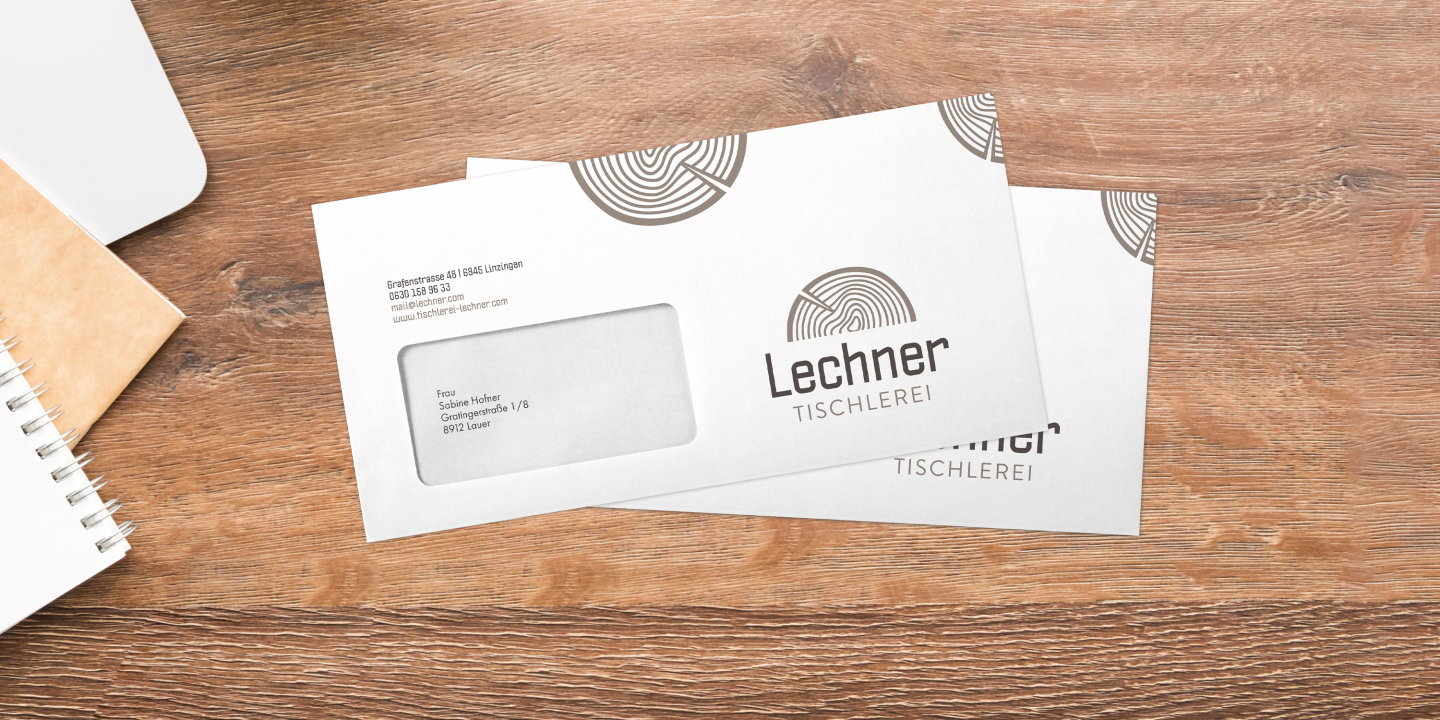
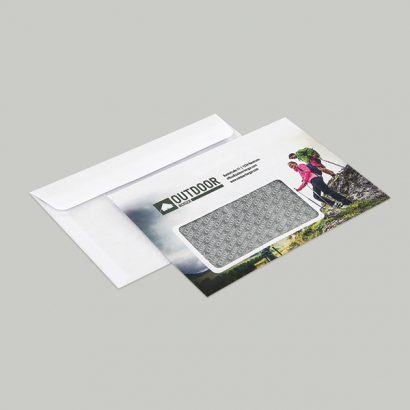
If you want your letter to make a lasting impression, this can be achieved by using a customised envelope. Some of the design options available for this are:
What should be taken into account when designing a direct mail campaign?
If you Letters in large quantities When sending out a large number of items at once, it is important to keep the cost per letter and the time required as low as possible. On the one hand, this means that the Weight of the letter should be kept a close eye on – otherwise, unexpectedly high costs can quickly arise during dispatch.
On the other hand, when designing, you should bear in mind that not all letters machine-folded and packaged can be selected. Folding and Envelope-stuffing machines are usually only compatible with certain formats (mostly DIN C6/5), which is why you should consult your service provider when planning a campaign to find out what is possible. It is also important to note that enveloping machines can only process gummed seals (wet-glue).
Tip: For bulk orders, the use of spot colours and full-surface printing on envelopes is particularly cost-effective, as the price per envelope is significantly lower.