Tips for getting started in the graphic design industry

Would you like to kick-start your career as a graphic designer, but aren’t quite sure where to start? Don’t worry, we’ve got seven tips for you that will make it easier to get started in the industry. From education and training through to practical experience and building a portfolio – these tips will help you get off to a successful start as a graphic designer and advance your career.
1 | A solid education is important
In the graphic design industry, a solid education is the best foundation for a career as a graphic designer, and there are a number of training opportunities available in this field in Austria. One of the most popular and well-known institutions for this is the Höhere Graphische Bundes-Lehr- und Versuchsanstalt (HGBLVA) – known simply as the ‘Graphische’ in Vienna – which, in addition to higher education, also offers, for example, a college course for those aged 18 and over. However, there are also degree programmes at universities of applied sciences, art academies and vocational schools that provide training in graphic design, as well as companies that offer apprenticeships as a graphic designer. Before you make your decision, you should find out as much as you can about the various training options.
2 | Further your education
As a graphic designer, it’s important to stay on the ball and keep learning. After all, the world of graphic design is constantly changing, and those who fail to adapt will quickly fall behind. Workshops, seminars and online courses offer a great opportunity to develop your skills and learn new ones. Adobe is often a good place to start, as they regularly host interesting webinars. Experimenting with new technologies and software can also help you improve your work and stand out from the competition. In this context, it’s also a good idea to follow graphic design newsletters and/or graphic designers on social media. In short, as a graphic designer, you should always be open to change, remain curious and actively strive to expand your skills and knowledge. After all, as the saying goes: you never stop learning!

3 | Gain practical experience
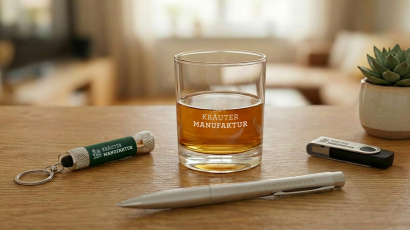
Practical experience is crucial for building your portfolio and impressing employers or clients. You can gain this, for example, by applying for work placements, taking part in voluntary projects or initiating your own projects. In this way, you can improve your skills, gain valuable experience and build an impressive portfolio. At drucks.ch, there are many print products available to help you hold your designs in your hands. Design Posters or Sticker, to get a feel for the different types of printed materials. But don’t forget about yourself in the process! Always think carefully about what you gain from free and voluntary projects and what added value they bring you. You don’t have to accept every job, and under no circumstances should you allow yourself to be taken advantage of as a beginner!
4 | Master graphic design software
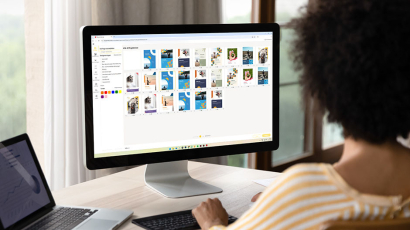
Adobe Photoshop, Illustrator and InDesign are the most commonly used Design tools used in the industry. It’s important that you familiarise yourself with these programmes to succeed as a graphic designer. After all, such programmes are not only essential for your work, but also offer you plenty of opportunities to express your creativity. Get to grips with them and discover all that’s possible in the world of graphic design!

5 | Build up your networks
Networking is important in every sector, but particularly in the graphic design industry. It can pay off to meet up with other graphic designers and attend local events. Join online communities too, and make sure you have a presence on LinkedIn or other platforms. Generally speaking, however, it’s not just graphic design networks that are beneficial. As you know, graphic design is needed in all sectors, so you can make an effort to branch out in all directions and network in order to secure long-term partnerships and client relationships.

6 | Create a portfolio
A portfolio is an essential part of any application for a role as a graphic designer. It should contain your best work to impress employers or potential clients. Make sure your portfolio includes a variety of projects that specifically demonstrate your skills and experience. You can then take your portfolio folder with you to meetings and present it. You can collect your designs in a Fold-out folder, which you can also customise. This way, you not only make a good impression but also demonstrate your interest in the industry.

7 | Stay up to date
The graphic design industry is constantly evolving. It is therefore important to stay up to date and keep abreast of new trends and technologies in the graphic design industry. Have a look at popular graphic design blogs and websites, read trade journals, attend webinars or conferences, and exchange ideas with other graphic designers. Or find inspiration in current exhibitions, museums, films, TV series or similar… the sources of new information and inspiration are virtually limitless!